


The competition for talent in 2026 will be won or lost on how well organizations merge cutting-edge technology with deeply human leadership, according to many experts. The companies that help employees thrive are expected to build the most loyal, resilient and engaged workforces.
That’s the overarching message from HR and tech leaders who shared their predictions for the year ahead. From AI implementation to skills-based career paths to neurodiversity initiatives, the strategic moves that will separate talent magnets from talent deserts share a common thread: they put human growth at the center of technological transformation.
AI as enabler, not replacement
The most successful organizations in 2026 will position AI as a tool that amplifies human capability, rather than replacing it. According to Deloitte research cited by Karen Bick, chief people officer at tech firm Ralliant, over 70% of managers and workers are more likely to join and stay with an organization if its employee value proposition helps them thrive in an AI-driven world.

HR teams are using AI to enable real-time burnout detection, workload balancing and personalized learning paths, Bick says.
“Companies that effectively use AI to listen better, respond faster and tailor employee development journeys—while instilling trust and transparency—will help their people thrive, leading to more robust, talented, and engaged workforces,” she says.
Julie Hoagland, chief human resources officer at Alkami, a banking technology provider, says HR teams must leverage AI and automation tools to “streamline time-intensive administrative tasks, alleviating strain and burnout and enabling leaders to focus on critical, high-touch priorities like culture, talent acquisition and retention.”

Eva Majercsik, chief people officer at cloud-based customer experience platform Genesys, adds that companies investing in helping employees grow alongside AI will build trust, drive greater fulfillment and create a more loyal, resilient workforce.
“When people can see a future for themselves—where their growth is prioritized and their contributions matter—they won’t just take a job,” says Majercsik, “They’ll join a journey.”
‘Human talent will matter more than ever’

Dave Bottoms, senior vice president and general manager of marketplace at Upwork, predicts that AI-ready talent will become essential. “As AI becomes ubiquitous, human talent will matter more than ever,” he says. The next wave of opportunity will belong to people who can guide, refine and elevate AI outputs, bringing authenticity, creativity and critical thinking that machines can’t replicate, he says.
Anthony Onesto, vice president at performance management software firm 15Five and former chief people officer, suggests that top companies will redesign jobs for human-AI collaboration, creating hybrid roles where employees guide AI processes rather than being replaced by them. “Rather than replacing people, AI will automate routine tasks, allowing employees to focus on strategy and oversight while serving as technology pilots,” he says.
To address AI taking over entry-level tasks, Onesto finds that companies are launching AI apprenticeships, training early-career professionals to audit and improve AI systems and build expertise in both technology and its applications. He says leading employers should also guarantee that a human will always be involved in career decisions and train managers to use empathy and emotional intelligence to foster team wellbeing.

Carrie Rasmussen, chief digital officer at Dayforce, predicts that internal talent will outpace external hiring in the AI race. “Organizations will realize they can’t simply hire their way into AI maturity—seasoned AI talent doesn’t exist at scale yet,” she says.
Companies that invest in developing their current workforce and bring employees along on the journey of how AI can transform their roles positively will be the ones that win, says Rasmussen.
From job titles to skills
Organizations are moving away from fixed job architectures that define people by roles, levels and functions. Instead, skills are becoming the new currency of work, says Ciara Harrington, chief people officer at learning tech firm Skillsoft.

Rather than asking about someone’s job title, organizations will ask what skills they bring and how proficient they are, Harrington says. Talent decisions—including hiring, promotions, succession planning and project assignments—will be based on actual skills and their application, not hierarchy.
This transformation requires a gradual, iterative approach, starting small, integrating skills thinking into hiring and performance reviews and piloting new methods, Harrington adds. This empowers employees to showcase strengths, enables leaders to build teams with the right capabilities and helps companies stay competitive.
Ralliant’s Bick says that 72% of workers agree that organizations should do more to connect their workforce with opportunities to build experience. Organizations should design internal marketplaces and development roadmaps that make career moves not only possible but personal, she says, connecting talent with stretch roles, mentorship and learning in real time.
Onesto adds that top talent will choose organizations that “prioritize skills over job titles,” using internal marketplaces that let employees move between projects and departments based on ability, enabling continuous learning and development without leaving.
Building talent from within
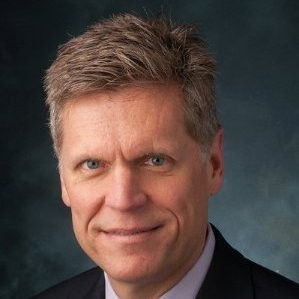
The best talent attraction builds off strong talent retention, according to David Reed, global head of talent acquisition at risk and benefits firm Sedgwick Claims Management. Competition for top talent remains very high despite headlines reporting layoffs, he notes.
Internal mobility should be a primary talent strategy. Reed notes that at Sedgwick, colleagues who stay and grow their careers internally fill nearly a quarter of open positions, while colleague referrals account for another 9% and returning alumni represent 6% of hires.
A “diverse and balanced” wellbeing benefits portfolio remains essential, Reed says. Consider benefits that address specific life stages, such as menopause support. He also suggests HR should transform performance reviews into opportunities for growth rather than stress by focusing on regular check-ins centered on development, feedback and recognition.
Leadership development programs should serve employees at all levels. Reed points to Sedgwick’s Leadership Academy model, which includes self-paced resources, AI-assisted conversation simulators for practicing interactions in a safe space and peer learning circles hosted by experienced leaders.
HR leaders should not overlook non-traditional talent channels. Military veterans represent a growing opportunity, Reed says, as competencies like discipline, teamwork and mission-orientation translate well to commercial careers. The key is investing in building new specific skills relevant to your business “on top of the competencies these candidates already possess,” according to Reed.
Trust through transparency
Transparency in AI implementation will be critical for building employee trust. Shahar Silbershatz, co-founder and CEO of Caliber, a company that studies and tracks corporate reputation, says employees want to know how AI will affect their jobs. Companies that lead with transparent AI implementation policies and genuine retraining programs will build trust, he says.

“The key insight here is that if your AI isn’t explainable, accountable and fair, it’s not a tech problem—it’s a trust problem that will not only damage your reputation in the eyes of your employees but also externally,” Silbershatz says.
Onesto predicts that top talent will choose what he calls “glass box” organizations that provide full transparency. He describes these as openly sharing salary ranges and conducting pay audits to build trust and reduce uncertainty across the workforce.
Bick emphasizes a shift toward “continuous, embedded listening,” where employee voice is not a moment in time but a dynamic input shaping the organization. She says this will lead to improved talent attraction and retention. “Company culture and the ability to attract and retain top talent will hinge on its ability to act swiftly, consistently and effectively on employee feedback,” advises Bick.
Reed notes that Sedgwick’s listening surveys provide recurring and actionable insights into colleague sentiment, including an annual engagement survey, experience surveys at key points in new colleagues’ first year and exit survey lessons.
Wellbeing and flexible work
Burnout prevention will remain a critical focus for talent retention and hiring in 2026, according to several HR pros. Silbershatz says mental health and burnout prevention are still concerning as the “post-pandemic hangover continues, and cost-of-living adjustments have become table stakes as inflation concerns persist among workers at all levels.”

Onesto agrees that burnout is increasingly seen as an organizational issue, prompting more companies to use data and right-to-disconnect policies to protect wellbeing, aiming to adapt work to employees’ lives rather than enforce rigid job structures.
Additionally, companies can support “chronoworking,” letting employees work during their peak biological hours instead of enforcing standard schedules, Onesto suggests. “They can also encourage asynchronous work to align with natural energy cycles and boost productivity,” he adds.
Benefits are also becoming hyper-personalized, with support tailored to every career stage, Onesto says. He notes that many programs offer resources like menopause support and financial planning for older employees and mental health tools or student loan help for younger staff.
Emerging differentiators
Several additional trends will help separate talent magnets from talent deserts in 2026.
Neurodiversity as business strategy

Rita Ramakrishnan, executive coach and CEO of leadership development firm Iksana Consulting, predicts that amid political pushback on DEI, neuro-inclusion will quietly become a business imperative.
“Companies embracing cognitive diversity are already seeing major productivity and retention gains,” she says.
Organizations will rebrand these programs as innovation talent or cognitive diversity initiatives, moving them from HR to core business functions, Ramakrishnan predicts. “By 2026, neuro-inclusion won’t just be an HR talking point; it will be a competitive advantage cited in investor calls,” she adds.
Leadership agility

Leadership agility, the ability to navigate uncertainty and lead through disruption, will continue to define successful organizations in 2026, says Carolyn Troyan, CEO of consulting firm Leadership360 and former HR leader.
Many companies still haven’t formally trained their leaders on agility behaviors identified by McKinsey and others, Troyan says. She anticipates “rising demand for workshops and executive programs focused on helping managers grow their teams and businesses through volatile conditions.”
The ’emotion economy’
Empathetic leadership will become even more of a priority, Silbershatz says. Employees and stakeholders will respond less to rational arguments and more to emotional resonance, signaling the growth of what he calls the emotion economy, “where authentic human connection, empathy and a sense of shared purpose drive advocacy and trust.”
Organizations will also see a decisive return to focusing on core business mission versus social commentary, Silbershatz adds. “As artificial intelligence transforms work across industries, the C-suite must address legitimate employee concerns about job security and skills obsolescence, while simultaneously positioning their companies for technological change,” he says.
The bottom line
As competition for talent accelerates, attraction will move beyond perks and pay, Bick says. The edge will go to companies that offer a dedicated, effective and clear growth culture built by design, not by chance.
Organizations that make learning visible, flexibility intentional and leadership grounded in empathy and trust will create that partnership between people, purpose and technology that separates talent magnets from talent deserts in the year ahead. “Culture is no longer a static concept,” Bick adds. “It’s how employees experience leadership daily.”

